The core of commercial sauna room design is to balance user comfort and operational energy consumption control while meeting the demand for simultaneous use by multiple people. The rationality ofspace layoutand the scientificity ofheating efficiencydirectly determine the user reputation and commercial value of the sauna room.
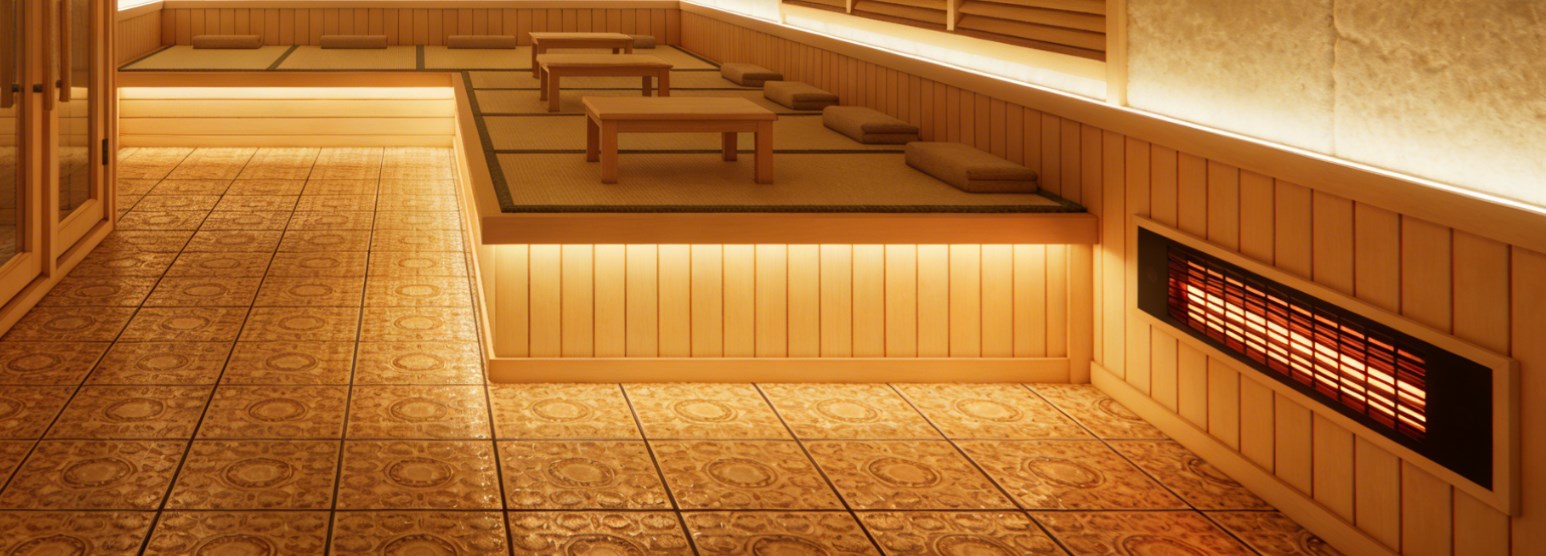
In terms of space layout, first of all, the room specification should be determined according to the store positioning and target customer groups. Small commercial private rooms suitable for 2-4 people are recommended to have a net area of no less than 6 square meters, ensuring a per capita activity space of at least 1.5 square meters to avoid poor experience caused by overcrowding. For shared sauna rooms for multiple users, the area can be controlled within 15-30 square meters. Meanwhile, a clear functional flow line should be planned, dividing a one-way process ofshoe-changing area - locker room - sauna area - rest areato reduce the cross-flow of people. Secondly, the internal details of the sauna area need to be optimized: the floor should be paved with non-slip and high-temperature resistant aluminum oxide ceramic tiles, and the walls should be made of thermal insulation materials such as aluminum silicate fiber cotton, which not only ensures safety but also reduces heat loss. Ventilation openings should be set at the diagonal positions of the top and bottom of the room to form air convection, with the ventilation frequency controlled at 2-3 times per hour to avoid discomfort caused by direct air blowing to the human body.
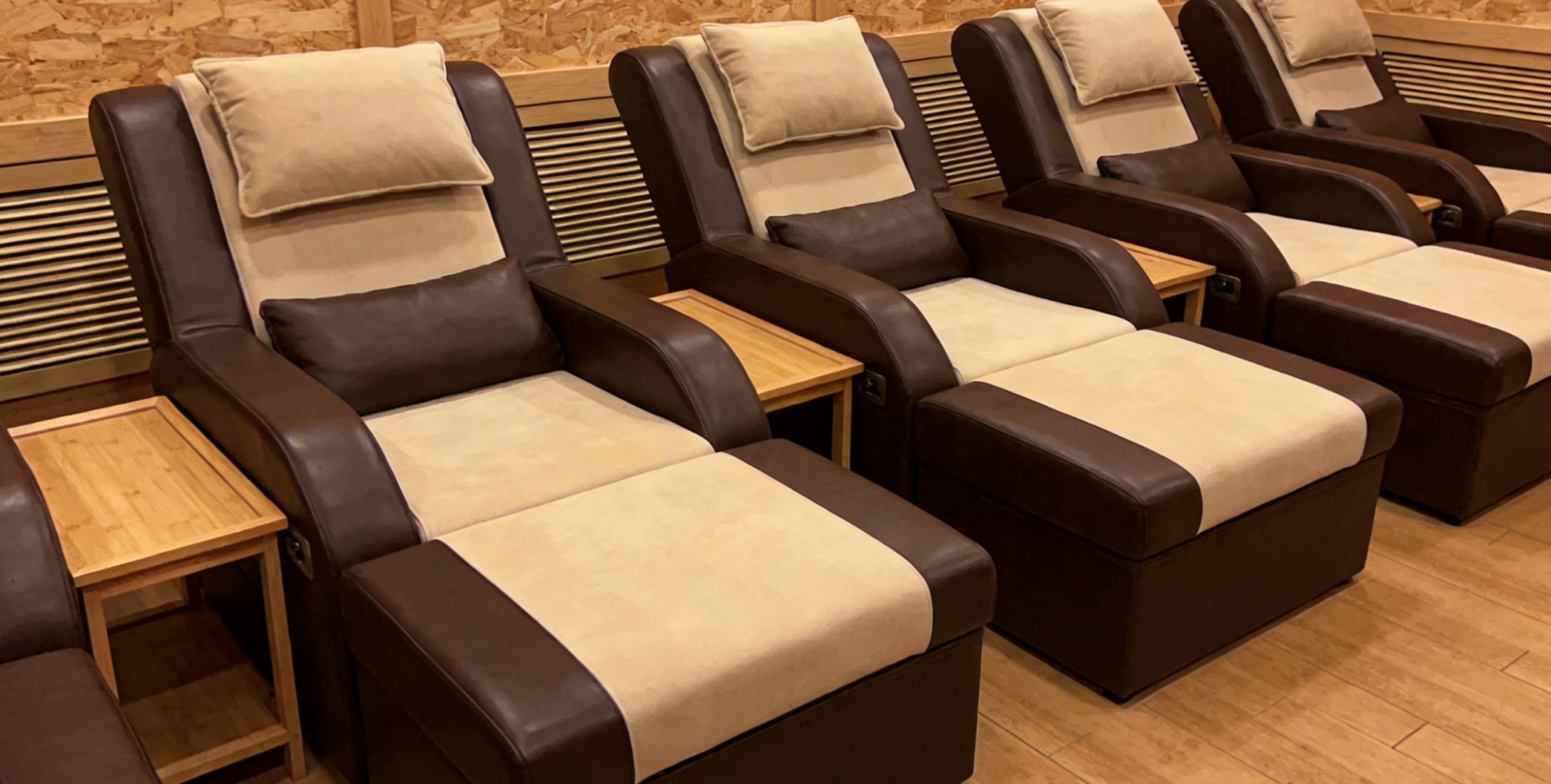
The scientific planning of heating efficiency is the key to reducing the operational cost of commercial sauna rooms. For heat source selection, graphene heating panels or far-infrared heating films are preferred in commercial scenarios. These two types of heat sources feature uniform heating, fast temperature rise, and can emit far-infrared rays with wavelengths similar to those of the human body, which are in line with the physiological effects of saunas. Temperature control should adopt a zoned temperature control system: the core temperature of the sauna area is set at 42-48℃, and the temperature of the edge area is maintained at 38-42℃ to meet the needs of users with different temperature tolerances. Meanwhile, it is equipped with an intelligent temperature control module, which automatically reduces the temperature to 20-25℃ for heat preservation during non-business hours, reducing energy consumption caused by repeated heating. In addition, heat circulation design cannot be ignored. Taking advantage of the physical characteristic that hot air rises, a return air duct is installed at the top of the room to guide the accumulated hot air to the bottom, controlling the vertical temperature difference in the room within 3℃ and improving the overall heating efficiency.
To sum up, the design of commercial sauna rooms should combine space utilization rate with heating scientificity, which can not only provide users with a safe and comfortable experience but also achieve energy consumption optimization for long-term operation.