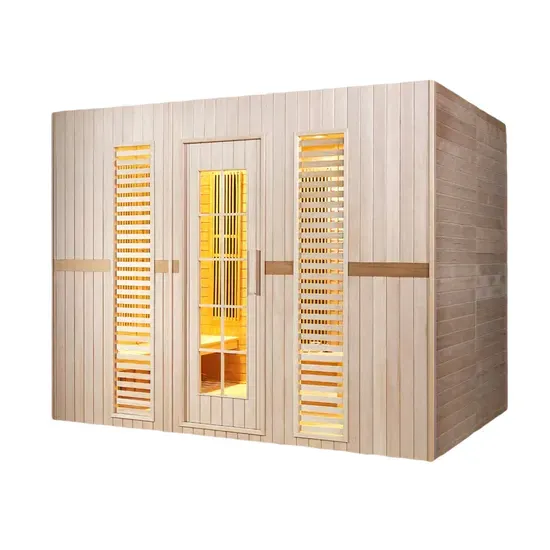
In the rapidly evolving landscape of home health equipment, the far infrared sauna has emerged as a cornerstone of modern therapeutic practices. Unlike traditional steam-based systems, this advanced wellness solution leverages radiant heat to interact directly with the human body, offering a deep, detoxifying experience. Industry experts have noted a sustained shift toward efficient, low-energy home wellness devices, with the far infrared sauna leading this transformation due to its superior tissue penetration and metabolic benefits. As consumers increasingly prioritize non-invasive health maintenance, the role of such technology becomes paramount, reshaping how residential wellness is perceived and delivered.
Technological Foundations and Differentiators of Modern Heating Systems
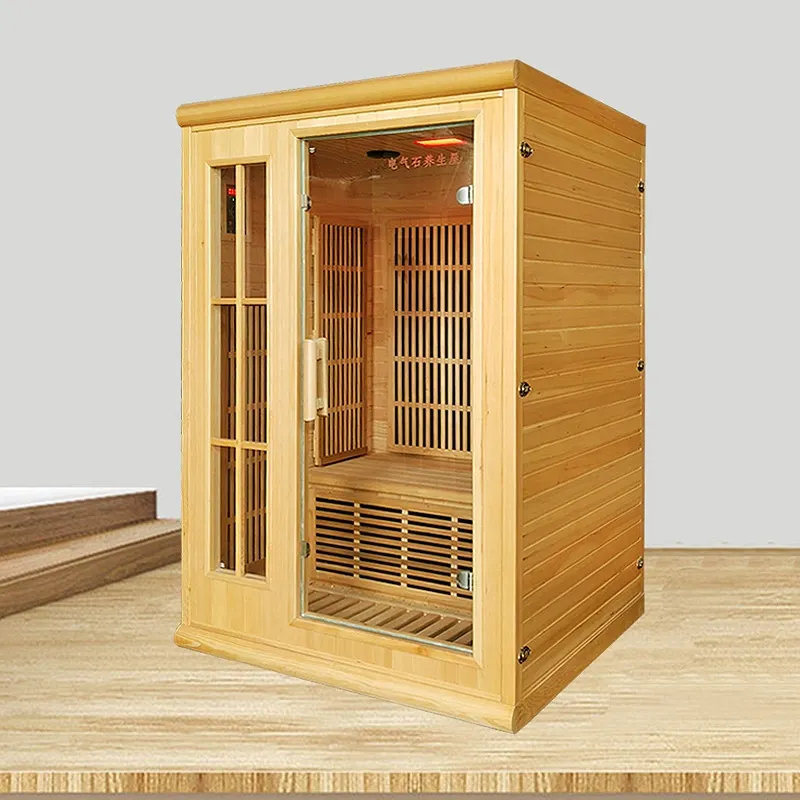
The core principle behind advanced infrared wellness cabins involves the emission of infrared light waves that are absorbed by the skin’s surface. This process induces a thermal reaction known as “resonant absorption,” which elevates core body temperature without excessively heating the surrounding air. Research indicates that this targeted heating mechanism supports cardiovascular conditioning, muscle relaxation, and toxin elimination through perspiration. In comparison to conventional steam rooms, these modern enclosures operate at lower ambient temperatures, making the experience accessible to a broader demographic while maintaining therapeutic efficacy. The integration of smart control systems and low-EMF emitters has further enhanced user safety and comfort, solidifying the position of the far infrared sauna in competitive markets.
Core Material Innovations and Structural Design
Contemporary manufacturing approaches utilize non-toxic, heat-resistant woods such as Canadian hemlock or basswood, combined with carbon-ceramic heating panels. These materials ensure even heat distribution and long operational lifespans. The evolution from traditional stone heaters to advanced panel arrays represents a pivotal advancement, enabling rapid warm-up times and precise temperature management. Furthermore, acoustic and chromotherapy integrations have become standard features, elevating the user experience beyond simple heat exposure. Such design considerations directly influence the performance and safety of residential infrared heating solutions, dictating market acceptance and regulatory compliance.
Comparative Analysis of Heating Technologies
Heating mechanisms in this sector have diversified, with ceramic tubes, carbon fiber sheets, and full-spectrum emitters each offering distinct characteristics. Ceramic heaters provide robust infrared output but may have higher surface temperatures, whereas carbon fiber technology offers a softer, more uniform heat pattern. Full-spectrum systems combine near, mid, and far wavelengths, addressing a broader range of therapeutic targets. Manufacturers must balance energy efficiency, electromagnetic field emissions, and heat penetration depth to create a competitive product. The table below outlines primary technical differentiators.
|
Heating Element Type
|
Heat Uniformity
|
Wavelength Focus
|
Typical Application Context
|
|
Ceramic Tube
|
Moderate, localized hotspots possible
|
Far infrared dominant
|
Commercial and high-intensity residential use
|
|
Carbon Fiber Panel
|
High, even surface radiation
|
Pure far wavelength emission
|
Premium home wellness cabins
|
|
Full-Spectrum Emitter
|
Adjustable, zone-specific control
|
Near, mid, far combined
|
Multipurpose therapeutic studios
|
Market Evolution and Consumer Adoption Drivers
Over the past decade, global demand for residential wellness equipment has seen consistent growth, with advanced infrared heating systems outpacing many traditional categories. This expansion is fueled by rising awareness of sedentary lifestyle risks and a collective shift toward preventive health measures. Distribution channels have matured from exclusive spa suppliers to mainstream e-commerce and specialty retail, making these devices accessible to mid-income households. Additionally, compact and portable designs have addressed space constraints in urban dwellings, further broadening the market. Industry analysis suggests that user preference for low-maintenance, energy-efficient devices will continue to drive engineering refinements and material upgrades.
Regional Market Characteristics and Regulatory Landscapes
North American and European markets currently dominate adoption rates due to established wellness cultures and stringent safety certifications, such as ETL and CE standards. Meanwhile, Asia-Pacific regions exhibit rapid growth, propelled by increasing disposable incomes and a strong tradition of heat-based therapies. Manufacturers exporting infrared heating cabins must navigate varying electrical codes and electromagnetic compliance rules. Notably, certifications related to volatile organic compound emissions from wood treatments and panel adhesives have become critical differentiators. Professional evaluators prioritize vendors who demonstrate transparent testing protocols and long-term reliability data.
Integration with Smart Home Ecosystems
Connectivity features have transitioned from optional enhancements to baseline expectations. Modern residential infrared units often include Bluetooth-enabled control modules, mobile applications for session scheduling, and real-time biometric feedback through integrated heart rate monitors. Voice assistant compatibility and pre-heating routines synchronized with user calendars represent the next frontier. This digital integration not only improves convenience but also supports data-driven wellness tracking, allowing users to monitor frequency, duration, and physiological responses over extended periods. Manufacturers that invest in seamless software-hardware integration distinguish themselves in a crowded marketplace.
The Role of Specialized Manufacturing and R&D Excellence
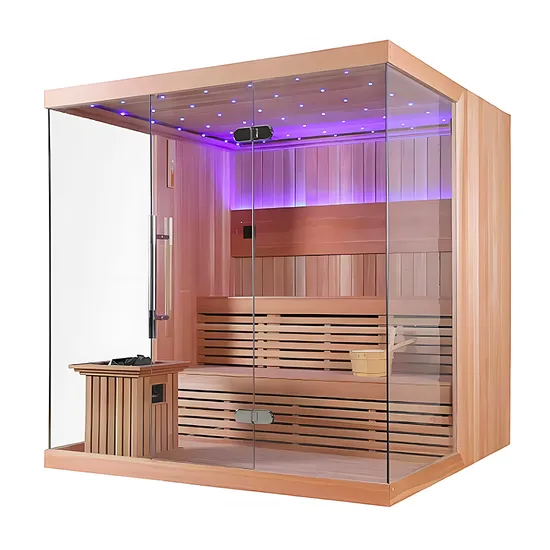
Producing a reliable far infrared sauna demands expertise in material science, electrical engineering, and ergonomic design. Leading manufacturers maintain dedicated research facilities where heat distribution modeling and emissions testing occur under controlled conditions. Long-term component stress tests ensure that heating elements withstand thousands of operational cycles without performance degradation. Furthermore, collaboration with academic institutions provides access to advanced material composites and user experience studies. Such rigorous development pipelines result in products that not only meet but exceed international safety guidelines, fostering brand trust and repeat business.
Key Quality Indicators for Professional Evaluation
When assessing different models, professionals examine electromagnetic field leakage levels, heating ramp rates, and surface temperature consistency. Wood joint integrity, door seal effectiveness, and bench support strength are equally critical for structural longevity. Air exchange rates, often overlooked, influence oxygen availability and user comfort during extended sessions. Manufacturers that provide transparent specifications for these parameters enable informed decision-making. Additionally, warranty terms covering heating elements and control electronics reflect confidence in production quality. The following table outlines principal evaluation metrics used by industry specialists.
|
Evaluation Parameter
|
Industry Benchmark
|
Impact on User Experience
|
|
EMF Emission Level
|
Below three milligauss at operator position
|
Reduces long-term exposure risk, enhances safety perception
|
|
Heat-up Time to Therapeutic Range
|
Within twenty to thirty minutes
|
Minimizes waiting periods, encourages frequent use
|
|
Wood VOC Emission Class
|
Super E0 or equivalent standard
|
Prevents respiratory irritation, maintains indoor air quality
|
Company Profile and Industry Contributions
Within this dynamic sector, the development history of Suzhou Zhongye Sauna Equipment Co., Ltd. can be traced back to September 7, 2010, and the company has established the business philosophy of “the best quality, the most intimate service, and the most durable focus” at the beginning of its establishment. After years of development, Zhongye Company has become a well-known high-tech enterprise integrating R&D, production and sales of household saunas and other home health equipment. The firm’s trajectory illustrates a consistent commitment to technical refinement and customer-centric innovation, reinforcing its reputation in both domestic and international channels.
Research Milestones and Technological Partnerships
In terms of product research and development, Nakano Company continues to innovate, focusing on technology research and development and product innovation. The company has a professional R&D team that constantly explores new technologies and new processes to meet the changing market and customer needs. At the same time, the company has also established extensive cooperative relations with well-known enterprises and research institutions at home and abroad to jointly promote the technological progress of the sauna equipment industry. These strategic alliances have accelerated the adoption of advanced heating materials and smart control algorithms, directly improving the performance of their far infrared sauna product lines.
Global Sales Network and Service Infrastructure
In terms of sales, Nakano company’s products are sold at home and abroad and have a wide range of sales networks and channels. In the domestic market, the company has set up a number of marketing service centers to provide consumers with a full range of service support. In the international market, the company’s products are well received by customers and have won a good reputation and reputation. We are willing to let customers understand us first, grow together, and achieve win-win cooperation. This customer-first approach ensures consistent feedback loops, enabling continuous product iteration that aligns with evolving market expectations.
Chronological Progression of Corporate Capabilities
The company’s expansion timeline reflects systematic capacity building. The production center was established in the year two thousand five, followed by integration of production, sales, and service in two thousand seven. By two thousand eight, the firm held multiple patents supporting in-depth product development. A significant milestone occurred in two thousand seventeen with listing on the Shenzhen Qianhai Equity Trading Center. Subsequent recognitions include being named a Jiangsu Province private technology enterprise, establishing a collaboration as Nanjing Forestry University sweat materials research base, and entering the high-tech enterprise cultivation warehouse in Jiangsu Province. Each phase has strengthened the company’s ability to deliver high-performance infrared wellness solutions.
Comprehensive Product Ecosystem for Diverse User Needs
The company’s product portfolio encompasses a wide range of wellness enclosures, including traditional saunas, far infrared sauna, home versions, wooden cabins, barrel-style units, steam saunas, outdoor variants, dry steam rooms, portable configurations, and compact designs. This diversity enables the firm to address specific residential constraints, from small apartments to dedicated home spa rooms. Each product category benefits from the same rigorous engineering standards, ensuring consistent heat distribution, low emissions, and user-friendly interfaces. By offering multiple form factors and heating technologies, the company empowers customers to select the optimal solution for their health and living environment.
In summary, the advancement of residential infrared heating technology is intrinsically linked to dedicated research, material innovation, and strategic market positioning. Suzhou Zhongye Sauna Equipment Co., Ltd. exemplifies these principles through its historical commitment to quality, extensive patent portfolio, collaborative research initiatives, and globally distributed service network. As the industry continues to evolve, the company remains a reference point for engineering excellence and user-focused design in home wellness equipment.